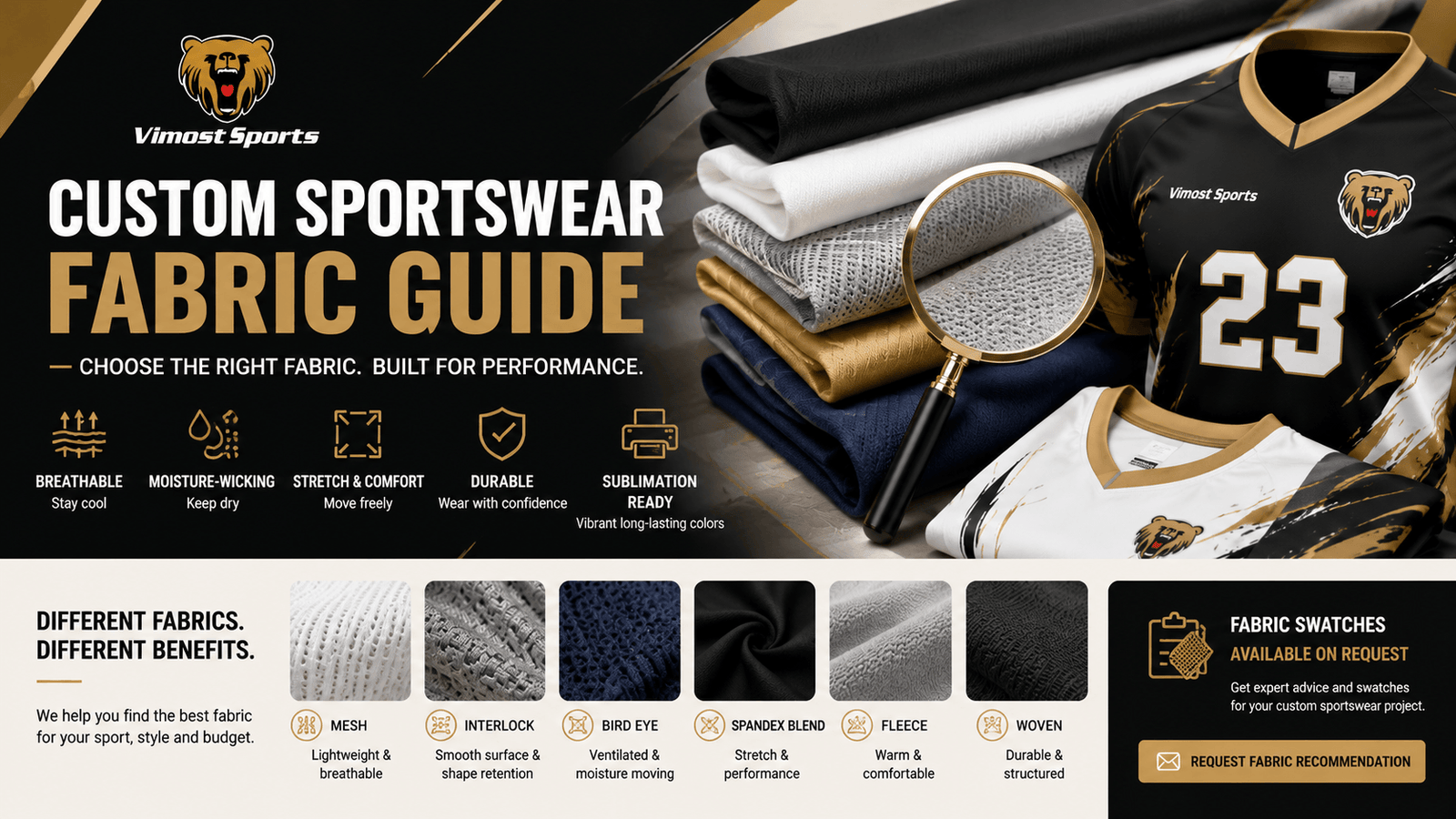
Custom Sportswear Fabric Guide
How to choose the right fabric for custom jerseys, team uniforms and performance apparel.
Different sports and apparel products require different fabrics. A hockey jersey, cycling jersey, fishing shirt, hoodie, polo shirt and training top may look similar from a distance, but the fabric requirements can be very different.
Fabric choice can affect how the garment feels, how it stretches, how it handles sweat, how durable it is during use, and how well sublimation colors appear on the surface. Choosing the right fabric before production helps customers create sportswear that fits the intended sport, season, performance level and budget.
Sportswear fabrics can be grouped by fiber content, knit or woven structure, weight, stretch and finishing. Below are common fabric types used in custom sportswear and team apparel.
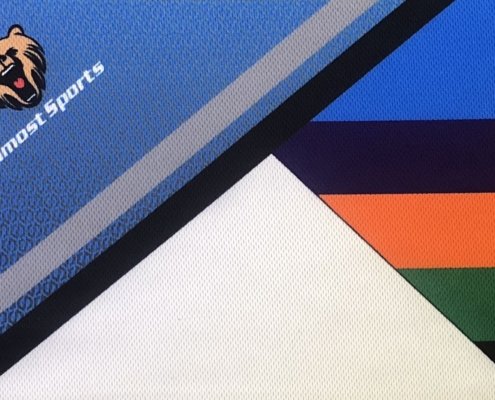
Polyester is one of the most common materials for sportswear. It is lightweight, quick-drying, durable and suitable for sublimation printing. Polyester fabrics are widely used for team jerseys, training tops, performance shirts and custom uniforms.
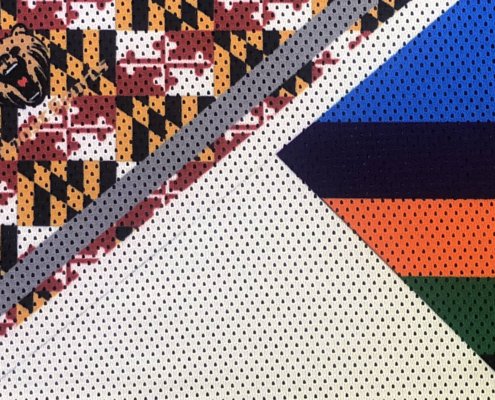
Mesh fabric has an open structure that improves airflow and ventilation. It is often used for breathable jerseys, training wear, panels, lining and high-activity sportswear where cooling and comfort are important.
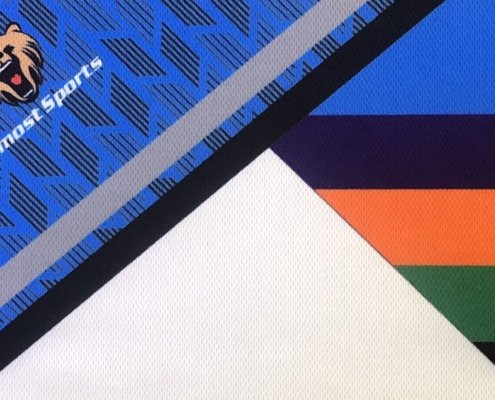
Bird eye fabric has a small textured pattern that can improve breathability and moisture movement. It is commonly used for jerseys, polo shirts, training tops and teamwear that needs a balance of comfort and performance.
Interlock is a double-knit fabric with a smooth surface and stable structure. It can provide a cleaner look, good shape retention and a comfortable hand feel, making it suitable for jerseys, T-shirts, polo shirts and performance apparel.
Spandex or elastane is added to fabric when stretch and recovery are important. These blends are useful for leggings, compression wear, cycling apparel, fitted training tops and products that need better movement.
Fleece fabric is soft and warm, making it suitable for hoodies, sweatshirts, warm-ups, jackets and cooler-weather apparel. It is often chosen when comfort and warmth are more important than maximum breathability.
Woven fabrics are often used for jackets, pants, shorts, outerwear and some warm-up apparel. They can provide structure, durability and a different surface feel compared with knitted jersey fabrics.
Dazzle fabric has a shiny surface and a traditional athletic look. It can be used for certain team uniforms, panels or styles where a glossy finish is preferred.
When choosing fabric, the fabric name alone is not enough. Customers should also consider fabric properties such as breathability, stretch, weight, durability and print performance.
Breathability
How easily air can pass through the fabric. Breathable fabrics help improve comfort during activity.
Moisture-Wicking
The ability to move sweat away from the skin and help the garment feel drier.
Stretch
How much the fabric can expand during movement. Stretch fabrics are useful for fitted and performance apparel.
Recovery
How well the fabric returns to its original shape after stretching.
Durability
How well the fabric handles use, washing, rubbing and sport-specific wear.
Fabric Weight
Affects warmth, structure and how heavy the garment feels.
Hand Feel
The surface touch of the fabric, such as smooth, soft, textured, firm or brushed.
Print Performance
How clearly and brightly sublimation colors appear on the fabric.
There is no single best fabric for every custom sportswear product. The right choice depends on the sport, fit, season, design, print method and customer preference.
| Product / Sport | Fabric Direction | Main Considerations |
|---|---|---|
| Ice Hockey Jerseys | Durable polyester knit, mesh or heavier jersey fabric | Roomier fit, durability, airflow, sublimation color |
| Rugby Jerseys | Stronger polyester or performance knit | Durability, shape retention, movement |
| Cycling Jerseys | Lightweight polyester-spandex blend | Stretch, moisture control, fitted shape |
| Fishing Shirts | Lightweight polyester, quick-dry fabric | Breathability, sun comfort, quick-dry feel |
| Basketball / Soccer Jerseys | Lightweight mesh or bird eye fabric | Breathability, movement, moisture control |
| Esports Jerseys | Smooth polyester or interlock fabric | Comfort, clean print, full-color graphics |
| T-Shirts / Polo Shirts | Polyester jersey, bird eye, interlock or blended fabric | Comfort, hand feel, print result |
| Hoodies / Sweatshirts | Fleece or warmer knit fabric | Warmth, softness, structure |
| Jackets / Pants / Shorts | Woven or structured performance fabric | Durability, structure, movement |
Many Vimost Sports products use sublimation printing, so fabric compatibility is important. Sublimation works best on polyester or high-polyester fabrics because the dye bonds with synthetic fibers during heat transfer.
White or light-colored polyester fabrics usually provide the best color result. Fabrics with lower polyester content, dark base colors or special finishes may affect color brightness, sharpness and print durability.
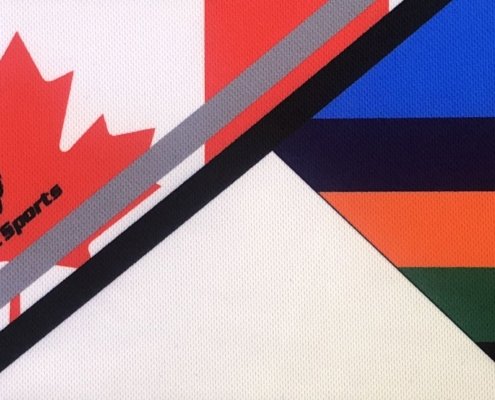
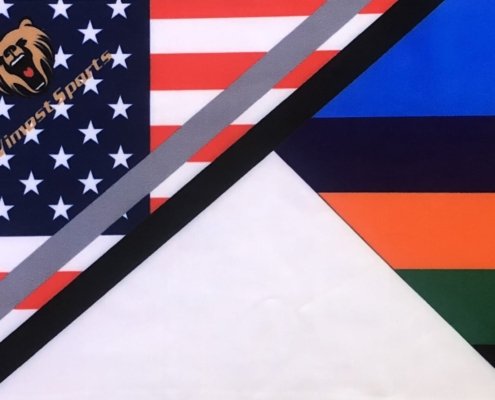
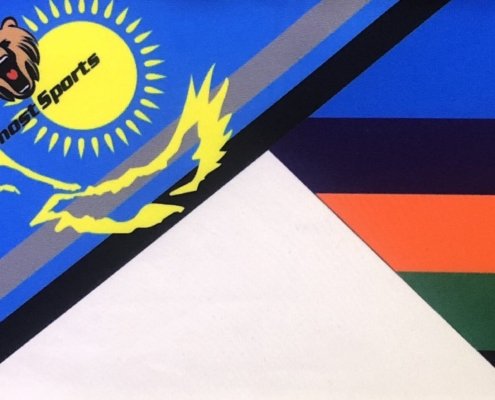
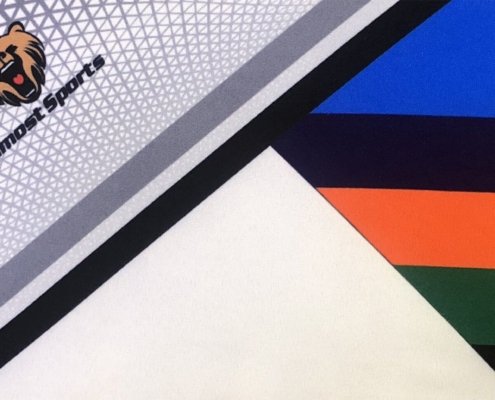
Photos and descriptions can help customers understand fabric options, but they cannot fully show hand feel, thickness, stretch or surface texture. For important projects, fabric swatches are recommended before confirming bulk production.
Vimost Sports can provide fabric recommendations based on product type, sport, season, fit preference, print method and order requirements. If you need to compare fabrics, please contact our team and tell us what product you want to make.
Q1. What is the best fabric for custom sportswear?
There is no single best fabric for every product. The best fabric depends on the sport, product type, fit, season, print method and performance needs. Lightweight mesh may be suitable for breathable jerseys, while fleece may be better for hoodies and warm-ups.
Q2. Which fabric is best for sublimation printing?
Sublimation usually works best on polyester or high-polyester fabrics. White or light-colored polyester fabrics normally provide brighter and more durable print results.
Q3. Can cotton be used for sublimation sportswear?
Cotton is not ideal for sublimation because sublimation dye does not bond well with natural cotton fibers. For sublimated sportswear, polyester or high-polyester fabrics are usually recommended.
Q4. What fabric should I choose for breathable jerseys?
Polyester mesh, bird eye and other breathable performance fabrics are often used for jerseys and training wear. The final choice depends on the sport, design, fit and required durability.
Q5. What fabric should I choose for hoodies or warm-ups?
Fleece or warmer knit fabrics are commonly used for hoodies, sweatshirts and warm-up apparel because they provide a softer and warmer feel.
Q6. Can I request fabric samples?
Yes. Fabric swatches may be available for important projects. Contact our team with your product type and requirements, and we can recommend suitable fabric options.
Q7. Will fabric affect the printed color?
Yes. Fabric content, texture, base color, surface finish and stretch can affect how sublimation colors appear after printing. For color-sensitive projects, sample confirmation is recommended.
Tell us your product type, sport, design requirement and target use. Our team can recommend suitable fabric options for your custom sportswear project.